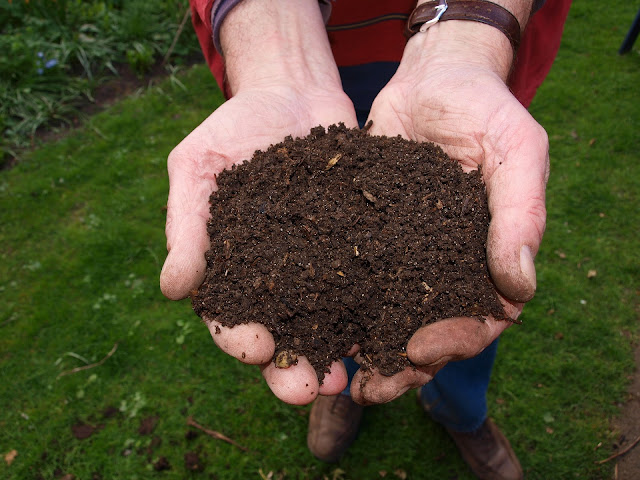
If you are an avid succulent gardener, you might have come across a dark brown fibrous soil mix called peat moss. This organic matter has become a part of succulent grower’s go-to soil component because of its numerous attributes.
Peat moss is considered to be an excellent alternative
as a soil amendment for various indoor plants like succulents, cactus and
others. For succulent gardeners this soil mix is better used as a medium along
with other soil components like compost, manure, perlite and others.
This helps in providing structure to the soil and
eliminates any compactness that can arise over time. It also caters to various
benefits like good drainage, ample aeration, acidic nature and many more.
What
is Peat Moss?
Peat moss is a fibrous organic material derived from
sphagnum moss that grows on the top soil. Due to the absence of air, this moss
decomposes gradually over time in peat bogs and wetlands for over thousands of
years.
The largest peat bogs in the world are found in Russia
and it covers more than a million square kilometers in radius. While the
largest exporter of peat in the world is Canada with over 343 millions in
export value.
For peat moss to be utilized by gardeners for
commercial and domestic use, it is first mined through artificial methods, and
then drained after harvest. The moss goes through a drying phase and gets
packaged to be sold.
Peat moss is highly acidic in nature with low ph levels,
which is perfect for drought resistant plants like succulents. It should be
taken into account that though peat moss is a great soil amendment, it alone
cannot support the growth of the plants.
Benefits
of using peat moss:
There are many benefits of using peat moss in your
potting soil mix. This is because of its easy to use texture and sterile nature
that keeps any harmful bacteria’s from attacking your succulents.
Following are some of the benefits of using peat moss
that can render healthy growth to your succulents and plants:
· Retains moisture:
Peat moss has the capacity to retain moisture with its
unique features. The fibrous material of the moss locks all the moisture
content in the soil, keeping the succulent hydrated.
This is ideal for succulents as it retains moisture
and dries out faster. This helps in preventing root rot that can damage the
plant.
· Aeration:
Succulents grow better when they have sufficient
sunlight, proper water content, and a good dose of fertilizer. But most
importantly when the soil mix provides ample space for aeration and drainage.
Peat moss allows the root system to branch out and
grow healthy succulents with strong roots and tissues.
· Acidic in nature:
Peat moss is a great alternative if your succulents
are lacking acidic content in the soil. Succulents prefer acidic soil with a ph
range of 5.5 – 6. This addition to your soil can help in balancing your potting
mix accordingly.
· Soil composition:
Soil like sand or clay, mixed with other components
can tend to become hard and compact over time. This can lead to your succulents
losing its required nutrients.
Peat moss when added with other soil components
provides structure, uniform composition and improves soil texture.
· Sterilized soil amendment:
Does your succulent potting mix contain various other
unwanted matters like chemicals and weeds? With peat moss there is no worry
about external elements penetrating your soil.
This is because this organic matter is drained and
completely dried before packaging. It is sterile, clean and can be directly used
by succulent gardeners in the potting mix.
· Soilless mix:
Peat moss is a perfect alternative if you are looking
for a soilless medium to grow your succulents. This dense fibroses material
allows the succulents as well as other plants to grow without the use of soil.
Hydroponics method is popularly implemented with the
use of soilless mediums like peat moss and others.
Disadvantages
of using peat moss:
Even though peat moss has various beneficial
attributes, it also has few cons. Succulent gardeners use peat moss as one of
the soil mix but not as the only soil component when growing plants.
Following are some of the disadvantages of using peat
moss in succulent gardening:
· Lacks natural nutrients:
Peat moss does not contain any natural nutrients like
compost or perlite. The fibroses material of the moss provides certain
structure and texture to the soil, but does not consist of any microorganisms
that can help the succulents.
· Highly acidic:
Though succulents grow best in acidic soil, too much
can do more harm than good. You can use peat moss in limited quantities to
derive the required results without harming your plants.
· Cost inefficient:
Compared to other potting soil mix like compost,
manure, rice hulls etc, peat moss is expensive. As
the process of extraction is through artificial, sterile methods, peat moss is
considered to be cost inefficient for large scale use.
· Non-renewable resource:
Peat moss can take over thousands of years or more to
gradually form into the moss we use in our garden; hence it is considered as a
non-renewable reserve.
There are only certain regions of wetlands and peat
bogs in the world where these moss can be extracted, making them not only
non-renewable but also non-sustainable resources.
How
to use peat moss in succulent gardening?
Implementing peat moss the right way in your succulent
potting mix can work wonders for the plants in terms of its growth, root
systems and stability.
Following is the process that you can adopt for your
succulents when introducing peat moss to the soil mix:
· Step 1:
Succulents cannot grow only with peat moss; it
requires additional nutrients and microorganisms to boost its growth. For this
you can take your regular potting soil mix for succulents to begin with.
· Step 2:
Your regular soil mix can consists of sand, clay, cinder, gravel, compost, pumice, rice hulls, perlite, etc, as per your choice.
· Step 3:
To this you can add peat moss in the ratio of 1:2. It
can be 1 part of peat moss to 2 parts of other potting soil mix. Depending on
the size of the succulents or pot, you can adjust the ratios accordingly, with
peat moss in lesser quantities than others.
· Step 4:
Mix these proportions well for a balanced and rich
soil composition for your succulents.
· Step 5:
Peat moss can tend to dry up faster than its
counterparts, hence frequent watering of succulents is required, with
occasional use of fertilizers.
Succulents are a type of plant species that can resist
any harsh temperatures and still stand strong. For these resilient plants to
grow healthy and keep providing us with vibrant boughs of flowers and
multicolored leaves, they need additional requirements to boost its growth.
One of the main aspects is through its soil, and peat
moss can provide the perfect additional dose that can strengthen your
succulent’s growth.
With its easy to handle form to its texture which it
caters to the soil, peat moss is popular among various succulent gardeners
making them special and exceptional.
You can follow the above pros and cons, as well as the process of implementation to induct peat moss in your succulent garden.
This is excellent information which is shared by you. This information is meaningful and magnificent for us to increase our knowledge aboutBuy Hydroponic Grow Lights Online . Keep sharing this kind of information. Thank you.
ReplyDeleteThis is a great article with lots of informative resources. I appreciate your work this is really helpful for everyone.Take a look at this Succulent Plants Sydney.
ReplyDelete