Succulent gardeners and enthusiasts are turning towards a new sustainable and environment-friendly soil amendment in recent times. This alternative is the natural, discarded product of milled rice grains, known as rice hulls or husks.
Rice hulls are the thin outer covering that forms a
protective shield for rice grains within. To make it easier for human
consumption, rice millers remove these flaky, brown outer layers. And the
discarded waste matter is what makes a rice hull.
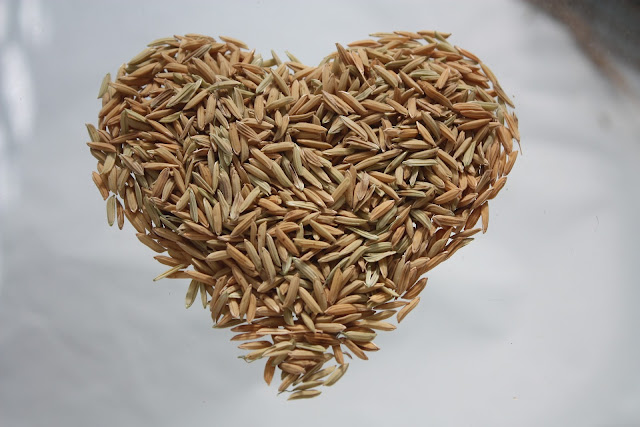
Succulent growers looking for an effective all-organic, sustainable soil mixture can try rice hulls for renewed growth and a boost of other rich nutrients in the soil.
Using rice hulls as part of your soil mixture can work
wonders in your succulent growth. But at the same time, not implementing them
properly in your soil can cause more harm than good to your plants.
Follow these simple but effective steps of using rice hulls
to derive the maximum benefits to your succulents:
· Step 1:
It’s important that the rice hulls you use do not
contain any unwanted materials such as rocks and other toxic chemical
components. These minute particles can mix in your soil and cause damage to the
root system.
For procuring organic rice hulls, you can directly try
from your nearest rice millers or from your trusted garden stores.
· Step 2:
You can take your regular succulent potting soil mix and add 10-30% of rice hulls as per the capacity of the potted succulent. You can mix them thoroughly with the rest of the soil, for good aeration and water holding capacity.
· Step 3:
Another method of using rice hull as fertilizer and
soil conditioner is by incomplete or partial burning of rice hull called
Carbonized Rice Husk (CRH).
This method is done by burning the rice hulls on hot
charcoal for effective release of high organic carbon, nitrogen, phosphorus,
calcium, potassium, magnesium and micronutrients.
This blackened rick hull can then be applied on the
top layer of your succulent soil.
· Step 4:
It is vital to monitor the watering of your succulents
when rice hulls are added. This is because over watering can make the soil
dense and compact.
Water only when the soil is dry for efficient utilization of rice hulls in your succulent garden. Over time, it can eventually break down and get converted into rich nutrients for your succulent soil.
· Step 5:
You can apply rice hulls to your succulents periodically, once they get saturated within the soil. The best time to add these soil amendments is during spring. You can also use them when you’re repotting your succulents.
Perlite
and its uses in succulent gardening
Perlite is a natural mineral that forms as a volcanic
glass which is found in certain mines around the world. This mineral has found
various uses in construction and manufacturing. But they are popularly used in
gardening because of its well-draining features.
These minerals are mined and made into useable
granulated forms for soil mixes. These white, lightweight particles are widely
used among succulent gardeners for giving structure to the soil.
For succulents and seedlings with drought-resistant capability and which require less water, Perlite is one of the well-known contenders for soil mixes, along with rice hulls.
Rice
hulls vs. Perlite
Both represent unique characteristics when added to
your succulent soil mix. The following mentioned distinctive advantages and
disadvantages of rice hull and perlite can shed light on choosing the best soil
amendment for your succulent garden:
Advantages
of Rice hull:
· Sustainable soil mix:
Rice hull is a discarded product that is abundantly available
in rice growing regions. Other soil mixes such as peat moss, perlite and
others, damage the ecosystem through mining and environmental disruptions that
upset the balance of nature.
· Water holding capacity:
During high temperatures in the day, rice hulls help
in retaining water in potted succulents. This keeps the plants enriched and the
moisture level intact throughout the day.
· Mulch:
Rice hulls also act as effective mulch for succulents.
This reduces water evaporation during summer and keeps the weeds from taking
over your plants.
· Well-drained soil:
Due to its porous and granulated texture, rice hulls
aid in keeping the succulent soil well-drained. It also keeps the soil well
aerated for healthy root and plant growth.
· Adds silica:
Rice hull is high in silica which is essential for succulents, as it protects against pests, droughts and heat. It also fights against various fungal diseases that develop in soil and roots.
Disadvantages
of rice hull:
· Compact soil:
Over watering of succulents with rice hull can get saturated over time, which can lead to compressed soil. This can turn the soil dense and compact.
· Impurities:
As the rice hulls are waste product of rice grains, it can contain various unwanted substances that can damage the succulents when introduced to the soil.
Advantages
of Perlite:
· Lightweight:
Perlites are small, white granulated product that are
lightweight and can easily mix with any soil type. Succulent growers prefer
this soil mix because of its easy to handle characteristics.
· Soil structure:
It aids in giving structure to the soil through its
well defined form. This is efficient in plants like succulents, cacti which
require less water.
· For seedling growth:
Perlite is best preferred when growing delicate
seedlings. With its porous texture and firm soil structure, it’s ideal for
seedlings to thrive in the initial stages of growth.
· High humidity:
Because of its large surface area, perlite can
generate high humidity in the soil. This protects succulents from overheating
during summer months from scorching temperatures.
Disadvantages
of Perlite:
· Non-renewable:
As perlite is a natural mineral which is mined for
various uses, it is determined to be non-renewable. The current world reserve
of perlite is said to be 700 million tones.
· Lacks water holding capacity:
Due to its lightweight characteristic and textures, it
lacks the capacity to hold water in the soil, leading it to drain away easily.
Perlite also has the tendency to float in excess water.
· Excess fluorides:
Perlites can tend to cause fluoride burns in succulents, with leaves tips turning brown. It also needs frequent watering as it dries up fast.
With many of our natural reserves being exploited due
to growing urbanization, people are turning towards a more sustainable way of
life. This includes using natural sustainable and renewable soil amendment such
as rice hulls for their plants.
Choosing the best alternative for your succulents can go a long way in rendering healthy and vibrant growth of your succulents. You can follow the above mentioned pros and cons to provide the best suitable soil mix for your succulents.
The information in the post you posted here is useful because it contains some of the best information about building a garden box. Thanks for sharing it. Keep up the good work. pls visit our website.
ReplyDelete