Looking for exotic hanging plants to jazz up your indoor and outdoor space? Succulents can make a fabulous addition as not only potted plants but also show-stopping trailing or hanging plants.
Succulent species of plants are so diverse that they adapt to any living habitat with proper care and protection.
Being naturally resistant against harsh climates and
can also withstand drought to a certain degree, it’s no wonder that trailing
succulents are the top contenders to indoor and outdoor space among succulent
gardeners.
For plant lovers who have caught the succulent bug,
there are many types of hanging succulents to choose from and make your garden
stand out from the rest.
Here are some of the 10 best hanging succulents that
can turn your indoor and outdoor space into a plant paradise:
1. Burro’s Tail / Sedum Morganianum:
The most popular and sought-after trailing succulents
for indoors is the Burro’s Tail. Also called Donkey’s Tail, this hanging
succulent can be seen in many households as they are easy to grow, maintain,
and propagate.
 |
| Wikimedia Common |
Burro’s Tail is a hardy succulent and prefers humid temperatures. These succulents can grow up to 2 – 3 feet long in length with proper care.
These hanging succulents prefer to be placed
in full sun and indirect sun in the summer season. Burro’s Tail needs well-drained
soil for healthy growth.
The best thing about Burro’s Tail succulents is that they can be planted in any type of hanging pot and have a wax-like layer which
helps retain moisture.
Propagation of this succulent can be easily made by
cutting the stems or through their individual node-like leaves.
The disadvantage about these succulent is, it’s delicate, and the leaves drop quickly. Overwatering the plant may cause root rot.
2. String of bananas / Senecio Radicans:
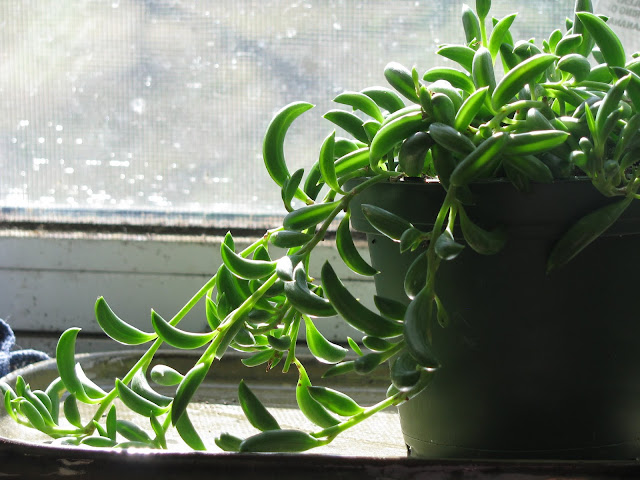
Like the name suggests, this type of succulents is
shaped like tiny bananas. Also called Fish hook Senecio, this trailing
succulent is a fast-growing variety among other succulents.
They require sufficient sunlight for proper growth as
well as well-drained soil. Just like the Burro’s Tail, they can be planted in
any hanging pots and left to cascade.
 |
| Wikimedia Commons |
The string of bananas can be easily propagated by cutting
the stems or their leaves.
The disadvantage about this succulent is that it comes under attack of mealy bugs and is also subjected to root rot in case of over watering.
3. String of pearls / Senecio Rowleyanus:
This type of indoor succulent comes in small round
beads or pearls like structures, hence the name, String of pearls. It is also
called the String of beads and rosary string.
They can be kept indoors as well as outdoor, depending
on the sunlight. They prefer indirect sun for 5 – 7 hours for
longer growth.
The string of pearls can grow up to 1 – 2 feet long. This
succulent can bring charm and character to your living space because of its
exotic nature.
They require good drainage and sufficient space in the
hanging pots to flourish healthily.
Providing the succulents with a good potting mixture and fertilizer can aid to longer and new growth.
4. String of hearts / Ceropegia woodii:
The string of hearts is another type of hanging succulent,
which forms string-like stems and has round leaves with purplish or green in
color. Also called bushman’s pipe vine and lantern flower.
This trailing succulent can reach a length up to 3 – 9
feet long. If you do buy string of hearts, keep in mind to hang them high for this
reason.
The string of hearts prefers moderate sunlight. Keeping
the succulents in direct sunlight can lead to the scorching of leaves.
This succulent love’s humid temperature and need’s
frequent watering to keep them from drying up. Pruning the string of hearts
occasionally can result in bushier and longer growth.
Just like other succulents, propagation can be done
through stem cutting. These are fast-growing succulents, so you can have a
brand new succulent easily through the correct propagation techniques.
The string of hearts can easily be subjected to overwatering, which can lead to root rot. Proper water content should be maintained for healthier growth.
5. Trailing Jade / Senecio Jacobsenii:
Not to be confused with your regular potted Jade plant,
this trailing succulent is similar to its counterpart regarding its leaves.
It comes with oval dark green leaves and is also called round leaf peperomia.
Tailing jade is a slow-growing hanging succulent and
grows few inches for a while. What makes this type of succulent
different is its similarity with the regular jade plant.
This succulent thrives in indirect sunlight and humid temperatures.
Well drained soil is a must when it comes to trailing jade; it requires coarse
and loose soil mix for proper water and oxygen circulation.
The disadvantage of this hanging succulent is, it is subjected to white spots caused by mildew. Spraying liquid fertilizer can help in avoiding this rot.
6. String of nickel / Dischidia nummularia:
String of nickel is catching up to the popularity of
Burro’s Tail succulent among succulent enthusiasts. This type of indoor
succulent comes in olive color with small nickel-shaped leaves.
Also called Button orchid, this type of hanging
succulent can turn your indoor space to a wild green ecosystem.
Like string of hearts, this trailing succulent also
grows fast in length, sometimes reaching up to 8 – 9 feet long. Make sure to
have string of nickel hanging high up in your indoor space, for it to flow in
beautiful thick trails.
This succulent likes moist and humid temperatures,
with low light. Well drained soil is an added advantage in growing long healthy
plant.
Succulents rarely bloom flower, string of nickel with proper care produces little flowers of white and yellow during spring.
7. Ruby
necklace / Othanna capensis:
Very apt for its name, this indoor trailing succulent
attracts succulent enthusiasts with its unique color and nature. Ruby necklace
comes in purple or ruby-colored stems and leaves. Also called string of rubies
and string of pickles.
Ruby necklace when kept in shade takes in a greener
color and with sufficient sunlight turns
This hanging succulent at its with sufficient sunlight mature size grows a
length of 2 inches tall with tangled stems. It’s easy to maintain and propagate
for future succulent samplings.
Sufficient sun and good drainage system will do wonders for this succulent’s growth.
8. String
of dolphins / Senecio hippogriff:
String of dolphins is a hybrid variety of string of
pearls with its shape resembling small leaping dolphins. Also called Dolphin
necklace, flying dolphins and dolphin plant.
This succulent enjoys indirect sunlight and thrives
well in proper drained soil. String of dolphins is low maintenance plant which
can even be grown by succulent beginners.
It can grow up to 6 inches tall when provided with
proper care and required fertilizers. Though very rare, string of dolphins
produce small white flowers during spring.
Over watering this trailing succulent can lead to leaves withering and gradual root rot.
9. Elephant bush / Portulacaria afra:
The uniqueness about elephant bush is that, they can
be grown in regular pots as well as in hanging baskets or pots. Also called
Dwarf jade, purslane afra and speckboom.
Elephant bush belongs to the jade succulent family and
is often described as bonsai like succulent for its dwarfed tree like
structure.
This succulent grows up to 6 -10 feet tall in height
and loves dry to moderate temperatures. As it intends to dry up easily, well
drained soil and hanging pots is necessary.
Elephant bush propagation can be done through its stems and grows at a gradual pace. It requires full to partial sunlight for its growth and development.
10.
Baby
sun rose / Aptenia Cordifolia:
This succulent is a best example for perennial
trailing succulent. Baby sun rose with its lush green leaves and thick foliage
makes one of the top contenders for hanging succulent for indoor as well as
outdoor.
Also called heart leaf and red aptenia, this type of
hanging succulent comes with bright and light green leaves. Succulent growers,
who are looking for fast growing hanging plants, should definitely try this
succulent.
Baby sun rose succulent as the name suggests, bears
small pink and red flowers during spring. Unlike other succulents, the
flowering aspect is not rare. So expect to see many beautiful flowers from this
exotic succulent.
The succulent also requires least amount of fertilizers and can grow wild if not pruned. Propagation is through the stem cuttings. It grows up to 4 inches tall in its mature size.
With so many diverse varieties available in the
succulent plant family, hanging or trailing succulents make a big difference in
changing the décor of your indoor or outdoor space.
With its lush foliage and creeping tendrils in a
waterfall like wild trails, it helps create a jungle like greenery within
concrete walls.
Next time on your succulent shopping spree, you can look up these above hanging succulents, to make your own exotic garden within your home.
A very delightful article that you have shared here.Succulent Delivery Sydney Your blog is a valuable and engaging article for us, and also I will share it with my companions who need this info. Thankful to you for sharing an article like this.
ReplyDelete